At the end of a busy quarter there is always something to show. The launches shipped, the reviews held, the decks presented. A full calendar photographs well. And the photograph is the problem, because the most expensive thing your team did this quarter does not appear in it. Bustle is the easiest thing in an organisation to mistake for creation, and it is the exact mistake an 1850 pamphlet was written to catch.
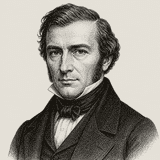
Frederic Bastiat, a French pamphleteer writing in 1850, built his best essay on a single distinction: every choice produces one effect you can see and a train of effects you cannot. His famous illustration is a broken shop window. The town gathers, someone observes that the glazier will be paid, and the glazier's trade is real, visible money moving. What nobody sees is what the shopkeeper would have done with the same coins — the boots not bought, the book not printed. The window does not create wealth; it redirects it from a use nobody will ever get to inspect.
The move that matters is not the parable but the discipline it demands: judge nothing by its visible effect alone. Follow the money, the labour, and the attention to where they would otherwise have gone, and put that invisible destination into the accounting — because it is real, it is just off-stage.
Audit the quarter that did not happen
Run the discipline on your own team. The migration that consumed four engineers for three months is seen: it shipped, it has a retrospective. Unseen is the product work those four would have done, the customer problems that stayed problems. The weekly status meeting is seen — attendance proves it happened. Unseen is the ninety minutes times twelve people times fifty weeks, and everything that stack of hours would have contained.
None of this says the migration was wrong or the meeting worthless. Bastiat's point is narrower and harder: you cannot know whether they were worth it until the invisible column is on the page. A decision defended only by its visible output — we shipped it, the meeting happened, the report exists — has not yet been defended at all. The honest comparison is always against the best alternative use of the same people, and that alternative never files a status update on its own behalf.
The practical version fits in one habit. For any significant commitment of people or months, write one sentence naming what those people will therefore not do. If the sentence is hard to write, that is not evidence the cost is small. It is evidence nobody has looked.
Watch out for
The unseen is also where motivated reasoning goes to hide. Because the alternative quarter never happens, anyone can claim anything about it — the cancelled project would have been a triumph, the skipped hire would have transformed the roadmap. Bastiat's tool demands you count the invisible; it does not license you to invent it. Keep the imagined alternative as disciplined as the real one: base it on what comparable efforts actually produced, not on the best case for the thing you already wished you had done.
And his own record carries a warning about purity. He wielded the distinction as a polemicist, almost always against state spending and almost never against the private projects of his allies. The tool cuts in every direction; its inventor mostly pointed it one way. Use it on your own favourite commitments first, or you are continuing his habit rather than his method.
Answer this next
Take the largest block of your team's time this quarter. What is the one-sentence description of what those hours would otherwise have built — and who, if anyone, ever compared the two?