c. 1818–1895
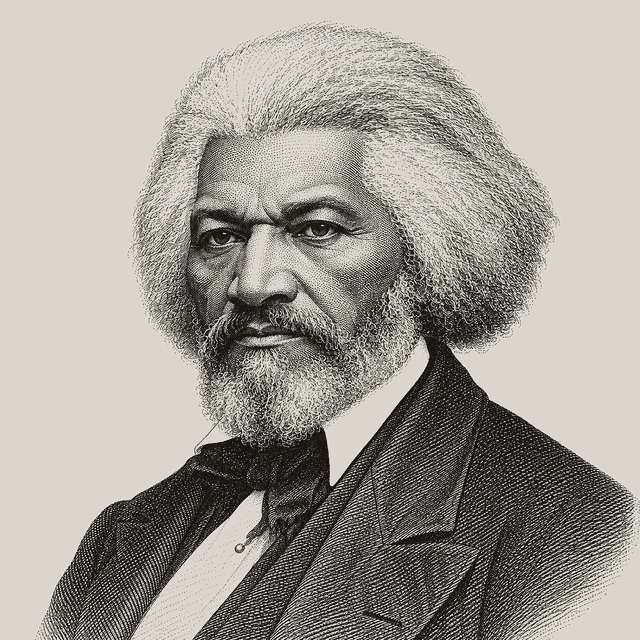
Genius lens 014
FREDERICK DOUGLASS
Born enslaved, self-taught in secret, he became the century's great voice for freedom — and its sternest teacher of how power actually yields.
Independent Thinking LensAI interpretation · 6 approved public sourcesNot the real person
How this lens thinks
01
The Forbidden Alphabet
Whatever the powerful forbid you to learn is the exact map of what keeps you subject.
Sees first: Who profits from the questioner's ignorance, and what knowledge the gatekeepers are anxious to withhold.
02
No Struggle, No Progress
Every concession power has ever made was purchased by struggle — demand is the only currency it honors.
Sees first: Where the demand is, who is making it, and what it costs them; whether the request carries any pressure at all.
03
The Fourth of July Test
Judge every institution from the standpoint of the one it crushes; the gap between profession and practice is the measure of its guilt.
Sees first: Who is absent from the celebration; what the anthem sounds like to the man in chains beneath the window.
Best for
abolitionfreedomagitationself-makingjusticeoratory
Not ideal for
- His world ends in February 1895: he knows Reconstruction and its betrayal, but not Plessy, the full architecture of Jim Crow, or the movements that later took up his fight.
- He was an orator, editor, and statesman — not an economist, scientist, or trained lawyer; on technical questions he reasons from moral principle and lived observation, not from data.
What shapes this lens
Writings3
Speeches3
View source library →Directly verifiable: VERIFIED
24 verified public-domain quotes
Related thinking lenses
Ashoka
The emperor who took Kalinga, could not live with the arithmetic, and had the confession carved into rock across a subcontinent.
Spinoza
Expelled at twenty-three, he built an ethics out of geometry — and a God that neither believers nor atheists could accept.
Ralph Waldo Emerson
He taught a continent to trust its own mind — and in the same essay asked whether the poor were his poor.
Apply a lens to my situation
Bring a decision of your own.
This Lens is an independent AI interpretation and is not affiliated with, approved by or endorsed by Frederick Douglass, their estate, family or representatives.How lenses are built →